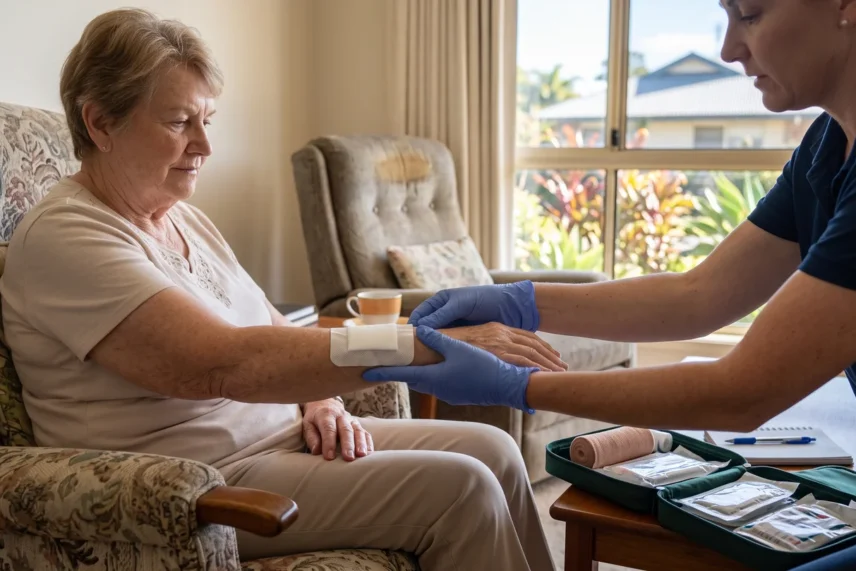
Skin Tears in Older Adults: What to Do in the First Hour
This guide explains what to do in the first hour after a skin tear, what to avoid, when professional assessment is warranted, and how to reduce the chance of it happening again.


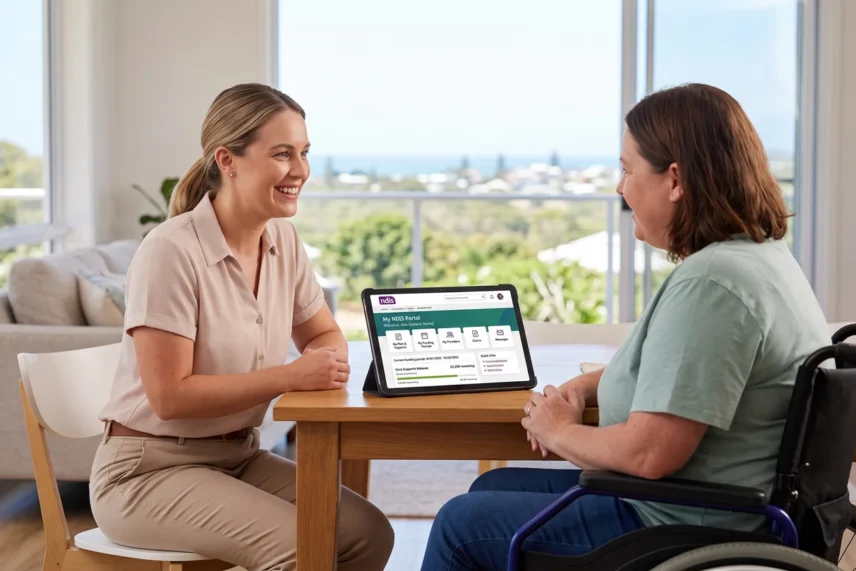
This guide walks through what each budget covers, the NDIS support categories that sit underneath them, how flexible each one is, practical examples of Core Supports vs Capacity Building Supports, and how to work out which type of support applies to you.
The important thing to understand is that running out of funding does not mean support ends forever. It does, however, require prompt action, clear communication with your support team, and a good understanding of what options are available to you…
Understanding how your NDIS funding works is one of the most practical things you can do as a participant â or as someone supporting a participant. For many people in Bundaberg and the Wide Bay region, navigating the National Disability Insurance Scheme can feel complex…
Applying for the National Disability Insurance Scheme can feel overwhelming, particularly for people in regional Queensland who are navigating an unfamiliar system for the first time. Common questions include whether you are actually eligible, what evidence you need to gather…
In-home autism support is a flexible, person-centred approach that allows NDIS participants to develop practical skills and build confidence in the place they know best: home. Rather than simply providing assistance, quality in-home support promotes independence, communication, daily living skills, and overall quality of life â all within a familiar and comfortable environment.
Whether you’re recovering from surgery, managing a chronic condition, or supporting a loved one with a non-healing wound, understanding the role of a wound care specialist can make a significant difference.
The Support at Home program now replaces the previous Home Care Package system to better reflect what older Australians actually need: flexible, personalised, government-funded support delivered in the comfort of home.
This article explores what technology in aged care looks like in practice, how it benefits older Australians and their families, and how to choose the right solutions for individual needs. It also addresses some of the real challenges around introducing technology, so families and carers can make informed, realistic decisions.
Autism Spectrum Disorder (ASD) affects every person differently. Some autistic individuals need minimal day-to-day support, while others require significant assistance to manage daily routines, communication, or social participation. Because presentations vary so widely, there’s no single, one-size-fits-all approach to support.