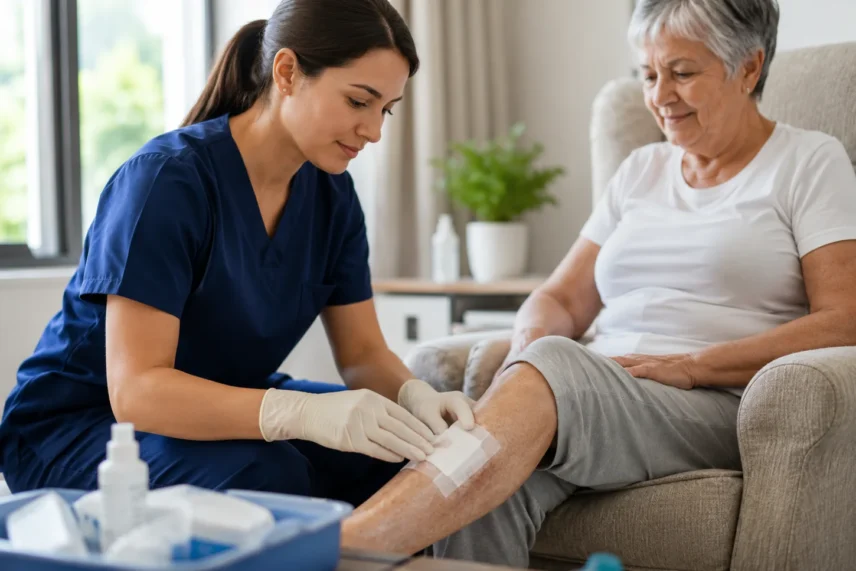
What Does a Wound Care Nurse Do?
Whether you’re recovering from surgery, managing a chronic condition, or supporting a loved one with a non-healing wound, understanding the role of a wound care specialist can make a significant difference.


The Support at Home program now replaces the previous Home Care Package system to better reflect what older Australians actually need: flexible, personalised, government-funded support delivered in the comfort of home.
This article explores what technology in aged care looks like in practice, how it benefits older Australians and their families, and how to choose the right solutions for individual needs. It also addresses some of the real challenges around introducing technology, so families and carers can make informed, realistic decisions.
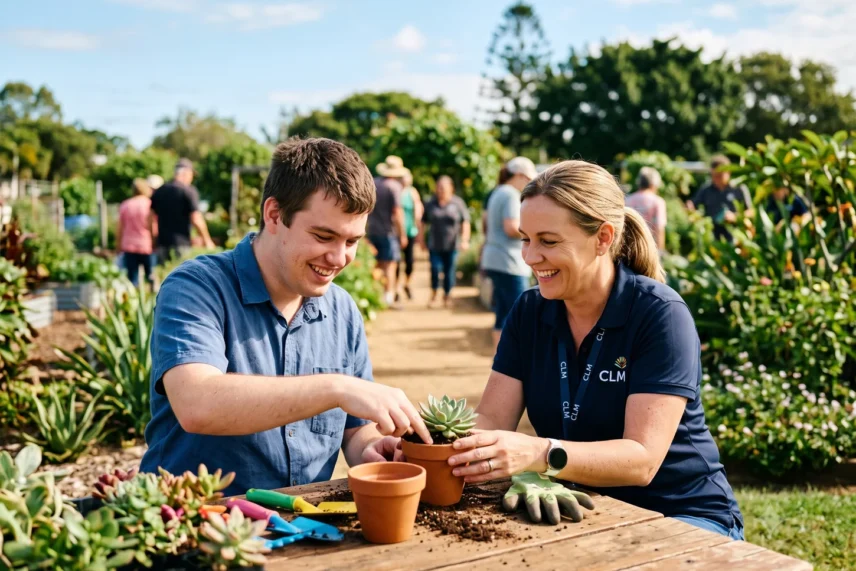
Autism Spectrum Disorder (ASD) affects every person differently. Some autistic individuals need minimal day-to-day support, while others require significant assistance to manage daily routines, communication, or social participation. Because presentations vary so widely, there’s no single, one-size-fits-all approach to support.
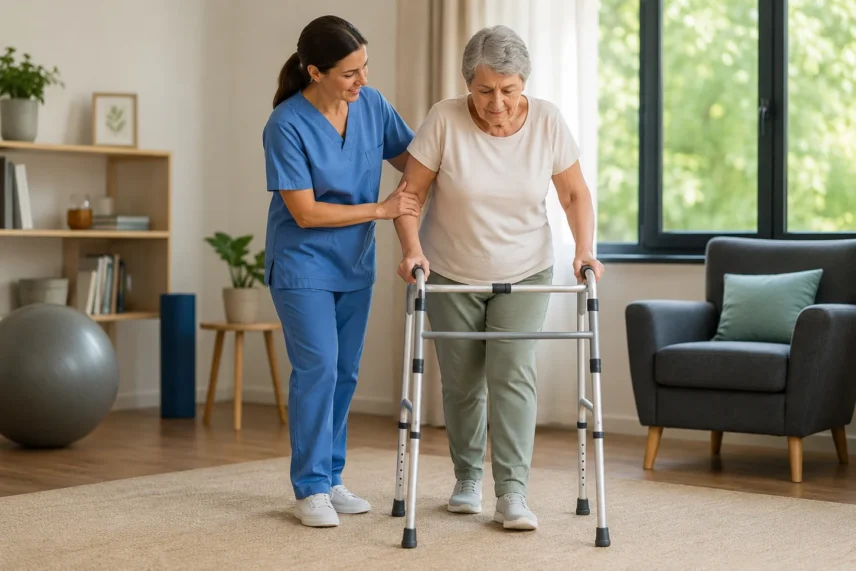
Growing older doesn’t mean losing independence, but changes in strength, balance, flexibility, and coordination can make everyday activities more challenging than they used to be. Tasks that once felt automatic, like getting up from a chair, walking to the letterbox, or stepping into the shower, can start to feel uncertain.