-
Linda Miller
- July 29, 2026
- No Comments
Whether you’re recovering from surgery, managing a chronic condition, or supporting a loved one with a non-healing wound, understanding the role of a wound care specialist can make a significant difference. In Bundaberg and the Wide Bay region, access to skilled wound care nursing is increasingly important — not just in hospitals, but in homes, aged care facilities, and disability support settings.
This article explains what a wound care nurse does, the types of wounds they manage, and how professional wound care helps people heal safely and comfortably wherever they live.
What Is a Wound Care Nurse?
Understanding the Role of a Wound Care Nurse
A wound care nurse is a Registered Nurse with specialised knowledge and skills in assessing, treating, and managing a broad range of acute and chronic wounds. Their role goes well beyond applying a bandage — it involves clinical assessment, evidence-based treatment planning, infection prevention, and ongoing monitoring to support the best possible healing outcomes.
Specialised wound care involves selecting appropriate wound dressings and therapeutic interventions, coordinating care with GPs, specialists, and allied health professionals, and educating patients and families about what to expect during recovery. It requires a thorough understanding of wound physiology, tissue types, infection risk, and the many health factors that can influence healing.
To work in this area, Registered Nurses must hold a nationally recognised nursing qualification approved by the Australian Health Practitioner Regulation Agency (AHPRA). Many wound care nurses also pursue further training through postgraduate courses or professional development programs focused specifically on wound management. Organisations such as Wounds Australia — the national peak body for wound management — provide clinical guidelines and continuing education to support evidence-based practice across the profession.
Evidence-based wound management means applying treatments that are supported by current clinical research and best-practice guidelines. This approach ensures that care decisions are grounded in what is known to work, rather than outdated or inconsistent methods.
Where Do Wound Care Nurses Work?
Wound care nurses work across a variety of healthcare settings, including:
- Hospitals — providing post-surgical care and managing complex acute wounds
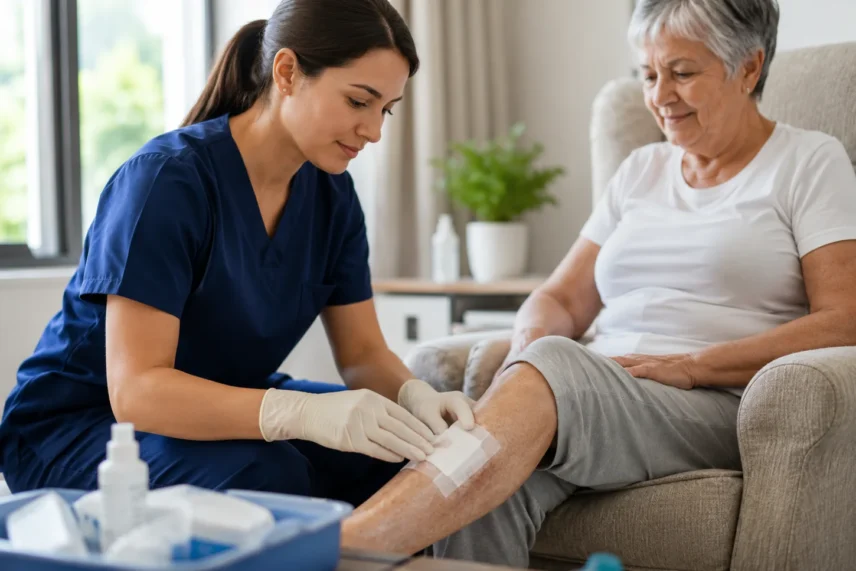
- Community and home care — visiting patients in their own homes to deliver ongoing wound treatment
- Residential aged care — supporting older residents with pressure injuries, skin tears, and chronic wounds
- Disability support services — working with NDIS participants who require nursing support
- Private nursing providers — offering flexible, personalised wound care for individuals who prefer to receive care at home
In Bundaberg and the Wide Bay region, community-based wound care is particularly valuable, reducing the need for frequent hospital visits and allowing people to heal in familiar, comfortable surroundings.
Who Can Benefit from Professional Wound Care?
Professional wound care is appropriate for a wide range of people, including:
- Older Australians who are at higher risk of pressure injuries, skin tears, and slow-healing wounds due to age-related changes in the skin and immune system
- NDIS participants who require nursing support as part of their funded care plan
- People recovering from surgery who need professional dressing changes and wound monitoring
- Individuals with diabetes, who face increased risk of foot ulcers and infection
- People living with chronic health conditions, including circulatory disorders, venous insufficiency, and autoimmune conditions that can affect healing
What Does a Wound Care Nurse Do?
Conducts Comprehensive Wound Assessments
One of the most important responsibilities of a wound care nurse is conducting a thorough, structured wound assessment. This involves:
- Measuring wound size, depth, and severity to establish a baseline and track changes over time
- Identifying wound types — whether surgical, traumatic, pressure-related, or chronic — to guide appropriate treatment
- Evaluating surrounding skin for signs of damage, maceration, or infection
- Assessing pain levels and understanding how wound-related discomfort is affecting the patient’s daily life
- Determining factors affecting healing, such as underlying health conditions, medication use, nutritional status, and mobility
A detailed wound assessment provides the foundation for an effective, personalised treatment plan.
Develops Individualised Wound Care Plans
Following assessment, the wound care nurse develops an individualised care plan tailored to the patient’s specific wound, health status, and personal circumstances. This plan includes:
- Personalised treatment strategies that match the wound type, healing phase, and patient needs
- Setting realistic healing goals so patients and families understand what to expect
- Regular progress reviews to ensure the plan remains appropriate as the wound changes
- Adjusting care as healing progresses, because wound needs shift as tissue repairs and regenerates
A good care plan is a living document — it evolves with the patient.
Performs Professional Wound Dressing Changes
Dressing changes are a core practical component of wound care. A wound care nurse approaches this with clinical precision:
- Selecting appropriate dressings based on wound type, level of exudate (drainage), and healing phase — from simple non-stick dressings to advanced materials such as hydrocolloids, foam dressings, and antimicrobial options
- Maintaining sterile procedures to minimise infection risk
- Protecting healthy tissue surrounding the wound from further damage during the dressing process
- Managing wound drainage to maintain an optimal moisture environment for healing
- Improving patient comfort by using techniques and products that minimise pain and distress
Monitors Healing Progress
Monitoring is ongoing, not a one-off event. A wound care nurse:
- Tracks improvements in wound size, depth, and tissue quality at each visit
- Identifies complications early, such as signs of infection, delayed healing, or deterioration
- Documents wound changes through clinical notes and, where appropriate, photography to support continuity of care
- Communicates with other healthcare providers — including GPs, vascular surgeons, and allied health professionals — to ensure a coordinated, team-based approach
Types of Wounds a Wound Care Nurse Treats
Surgical Wounds
Post-operative wounds require careful monitoring to ensure proper healing and to detect complications such as dehiscence (wound separation) or infection early. A wound care nurse can manage dressings, monitor the incision site, and liaise with the treating surgeon as needed.
Acute Injuries
Cuts, lacerations, and abrasions that require more than basic first aid may benefit from professional assessment and treatment to reduce infection risk and support proper tissue repair.
Chronic Wounds
Chronic wounds are those that fail to progress through the normal stages of healing within the expected timeframe — typically longer than four weeks. They require specialised management to address the underlying factors preventing recovery.
Pressure Injuries (Pressure Ulcers)
Pressure injuries develop when sustained pressure reduces blood flow to the skin and underlying tissue, typically over bony prominences such as the heels, sacrum, and hips. They are graded in severity from category one (intact but discoloured skin) through to category four (deep tissue damage). Early identification and intervention are critical.
Diabetic Foot Ulcers
People with diabetes are at significantly elevated risk of foot ulcers due to reduced sensation, impaired circulation, and slower immune response. Diabetic foot ulcers require specialist wound care management and often multidisciplinary input from podiatrists, vascular specialists, and endocrinologists.
Venous Leg Ulcers
Venous leg ulcers result from impaired venous return in the lower limb, leading to fluid accumulation and skin breakdown. They are among the most common types of chronic wounds and often require compression therapy alongside wound dressing management.
Arterial Ulcers
Arterial ulcers are caused by reduced arterial blood flow to the extremities. They typically appear on the lower leg or foot, are painful, and heal slowly. Vascular assessment and specialist referral are often required alongside wound care management.
Skin Tears
Skin tears are common in older adults with fragile or thinning skin. A wound care nurse can manage these wounds to minimise scarring, prevent infection, and support healing.
Burns (Minor and Moderate)
Minor and moderate burns — including scalds and contact burns — require appropriate wound management to promote healing, reduce infection risk, and minimise scarring. Severe burns require emergency and specialist hospital care.
Medical Disclaimer: Assessment and management of burns varies significantly depending on the severity, location, and extent of the burn. Always seek urgent medical advice for burns affecting the face, hands, feet, or genitals, or for any burn larger than a 20-cent coin. Contact emergency services (000) for major burns.
Traumatic Wounds
Wounds resulting from accidents, falls, or trauma may involve skin loss, debris, or irregular wound margins that require skilled cleaning and management.
Infected Wounds
When a wound shows signs of infection — including increased redness, warmth, swelling, pain, odour, or purulent discharge — prompt professional assessment and treatment are essential. Wound care nurses can identify infection indicators, implement appropriate management strategies, and arrange medical review where required.
More Than Dressing Changes: The Broader Role of a Wound Care Nurse
Managing Pain During Treatment
Pain is a common and understandably distressing aspect of wound care. A skilled wound care nurse works to minimise procedural pain by selecting appropriate dressings, using gentle technique, and timing dressing changes appropriately. Where pain is significant, they can liaise with the treating GP for pain management support.
Preventing Infection
Infection prevention is central to all wound care practice. This includes using aseptic technique during dressing changes, selecting antimicrobial dressings where clinically appropriate, monitoring for infection indicators, and educating patients and families about hygiene practices between visits.
Promoting Faster Healing
Through accurate wound assessment, evidence-based dressing selection, and regular monitoring, wound care nurses help create the optimal conditions for healing — addressing factors that slow recovery and supporting the body’s natural repair processes.
Supporting Patient Comfort
Beyond clinical management, wound care nurses provide reassurance, clear explanations, and compassionate support. Understanding what is happening with a wound and why specific treatments are being used can significantly reduce patient anxiety and improve cooperation with care.
Coordinating Care with GPs and Specialists
Wound care rarely happens in isolation. A wound care nurse maintains communication with the patient’s GP and, where relevant, with vascular surgeons, podiatrists, dietitians, and other specialists to ensure that all contributing factors are being addressed and that care is consistent across providers.
Helping Prevent Hospital Readmissions
Effective community-based wound care can reduce the likelihood of complications that might otherwise require hospitalisation. Early identification of deteriorating wounds and prompt clinical response means issues are addressed before they escalate.
Educating Patients and Families
Teaching Proper Wound Care Between Visits
A wound care nurse doesn’t just treat — they teach. Between nursing visits, patients and carers play an important role in maintaining wound hygiene and recognising changes. Nurses provide clear, practical guidance on what to do — and what not to do — to support healing between appointments.
Explaining Dressing Care
Patients and carers are shown how to keep existing dressings clean, dry, and intact between changes, and when it may be appropriate to seek advice if a dressing becomes soiled or displaced.
Recognising Warning Signs of Infection
Education includes helping patients and family members recognise early signs of wound infection — such as increasing redness, swelling, warmth, pain, odour, or unusual discharge — and knowing when to seek urgent advice.
Encouraging Healthy Lifestyle Choices
Good nutrition, adequate hydration, smoking cessation, and blood glucose management (for those with diabetes) all meaningfully influence wound healing. Wound care nurses provide practical lifestyle guidance tailored to each patient’s circumstances, and can refer to relevant allied health professionals where appropriate.
Supporting Family Carers
Family members often carry significant caregiving responsibilities. Wound care nurses acknowledge this role, provide carers with clear guidance, and ensure they feel supported and informed. This is particularly relevant in community settings where family members may be assisting with dressing maintenance between professional visits.
How Wound Care Nurses Help Improve Healing
Early Intervention Makes a Difference
The sooner a problematic wound receives professional attention, the better the likely outcome. Early professional wound assessment can prevent a minor wound from becoming a complex, chronic problem.
Using Evidence-Based Treatments
Wound care nurses apply current clinical guidelines and evidence-based protocols to every aspect of care — from wound cleaning and dressing selection to infection management and healing optimisation. This ensures patients receive care that is clinically sound and up to date.
Identifying Healing Barriers
Wound care nurses are trained to identify — and help address — the factors that may be slowing a wound’s progress. This might include referral to a dietitian for nutritional support, liaison with a GP about medication review, or recommendations for pressure-relieving equipment.
Monitoring Progress Consistently
Consistent, documented monitoring allows trends to be identified early. Improving wounds can be managed with less frequent intervention; deteriorating wounds can be escalated promptly.
Adjusting Care Plans as Needed
Wound healing is not a linear process. A wound care nurse regularly reviews and adjusts the care plan to reflect where the wound is in its healing journey, ensuring the treatment approach remains appropriate at every stage.
Factors That Can Slow Wound Healing
Several health and lifestyle factors can impair the body’s ability to heal. Understanding these helps wound care nurses tailor treatment plans appropriately.
Diabetes
High blood glucose levels impair immune function, reduce circulation, and slow tissue repair. People with poorly controlled diabetes are at significantly increased risk of wound complications.
Poor Blood Circulation
Adequate blood flow delivers oxygen and nutrients to healing tissue. Conditions that impair circulation — including peripheral artery disease and heart failure — can significantly delay healing.
Ageing
Skin becomes thinner and less resilient with age. Immune response slows, and the capacity for tissue regeneration decreases. Older Australians are at higher risk of both wound development and delayed recovery.
Reduced Mobility
Limited movement increases the risk of pressure injuries and reduces the circulation that supports healing. Wound care plans often include recommendations for repositioning schedules and pressure-relieving equipment.
Smoking
Smoking reduces oxygen delivery to tissues, impairs immune function, and slows collagen production — all of which are essential to wound repair. Smoking cessation support can meaningfully improve healing outcomes.
Poor Nutrition
Adequate protein, vitamins (particularly vitamin C and vitamin A), zinc, and other nutrients are essential for tissue repair. Nutritional assessment and support may be recommended for individuals with wounds that are slow to heal.
Obesity
Excess body weight can impair circulation, increase pressure on vulnerable skin areas, and reduce the effectiveness of some wound treatments such as compression bandaging.
Chronic Illnesses
Conditions including autoimmune disorders, renal disease, and respiratory illness can affect wound healing through a range of mechanisms, including immune suppression, medication effects, and impaired circulation.
Certain Medications
Some medications — including corticosteroids, immunosuppressants, and anticoagulants — can affect healing speed or increase bleeding risk. Wound care nurses are aware of these interactions and factor them into care planning.
Common Treatments Provided by a Wound Care Nurse
Wound Cleaning (Debridement Where Appropriate)
Cleaning a wound removes debris, bacteria, and devitalised tissue that can impede healing. Debridement — the gentle removal of non-viable tissue to support healing — may be performed by qualified nurses using appropriate clinical techniques (such as autolytic or conservative sharp debridement) within their credentialed scope of practice, and is guided by the wound’s presentation and clinical indication. Wounds requiring surgical or deep debridement are referred to a medical officer or specialist.
Advanced Wound Dressings
Modern wound care involves a wide range of specialised dressings, including hydrocolloids, foam dressings, alginates, silver-impregnated antimicrobial dressings, and hydrofibre products. Dressing selection is matched to wound type, exudate level, and healing phase.
For eligible Australians — such as older Australians with diabetes or specific chronic conditions who meet the scheme’s criteria — the Chronic Wound Consumables Scheme (CWCS) may provide subsidised access to wound dressings and consumables. Eligibility is assessed against specific federal criteria, so not everyone with a chronic wound will qualify. CLM’s page on the Chronic Wound Consumables Scheme and eligibility explains more about how the scheme works and who may qualify.
Infection Monitoring
Every wound care visit includes assessment for infection indicators. Where infection is suspected or confirmed, the wound care nurse coordinates with the patient’s GP for appropriate management, which may include medical review or antibiotic treatment.
Moisture Balance Management
Maintaining the right moisture level within a wound is essential for healing. Too dry and cell migration is impaired; too wet and surrounding skin can macerate. Advanced dressings are selected with moisture management as a primary consideration.
Compression Therapy Support
For venous leg ulcers and oedema-related wounds, compression bandaging or garments may be an important component of treatment. Wound care nurses can apply and manage compression therapies as clinically appropriate.
Pressure Relief Strategies
For individuals at risk of or already experiencing pressure injuries, wound care nurses provide guidance on repositioning, appropriate support surfaces, and pressure-relieving devices to reduce further tissue damage.
Skin Protection Techniques
Protecting the skin surrounding a wound from moisture damage, adhesive trauma, and friction is an important part of comprehensive wound care. Barrier creams, appropriate securing methods, and correct dressing application all contribute to skin protection.
Scar Management Advice
Once a wound has healed, scar management may be appropriate to improve cosmetic outcomes and reduce the risk of problematic scar formation. Wound care nurses can provide guidance on scar management options and refer to appropriate specialists where needed.
The Benefits of Receiving Wound Care at Home
Greater Comfort During Recovery
Receiving wound care at home allows people to heal in a familiar, comfortable environment, surrounded by family and the routines of daily life. This can reduce stress and contribute positively to overall recovery.
Reduced Need for Hospital Visits
For many people, particularly those in the Bundaberg and Wide Bay region, travelling to hospital for wound dressing changes is disruptive and tiring. Home-based wound care eliminates this burden, making treatment more accessible and less physically demanding.
Personalised One-on-One Care
Home visits allow the wound care nurse to give their full, undivided attention to the patient — observing the home environment, understanding daily routines, and tailoring care to the individual’s specific circumstances in a way that a busy clinical setting may not always allow.
Improved Continuity of Care
Regular visits from a consistent nursing team support continuity — the nurse gets to know the patient, their wound history, and their preferences. This familiarity supports better clinical decision-making and builds trust.
Lower Risk of Complications
Community-based wound care enables early detection of potential complications, prompt clinical response, and timely referral when needed — reducing the risk of issues escalating to the point of hospitalisation.
Better Support for Family Members
When wound care is delivered at home, family members can be involved, informed, and supported. They learn what to observe between visits, how to assist where appropriate, and who to contact if concerns arise.
Wound Care for Older Australians
Preventing Pressure Injuries
Older adults who spend extended time in bed or in a wheelchair are at elevated risk of pressure injuries. Wound care nurses can advise on repositioning schedules, appropriate support surfaces, and skin inspection routines to prevent injuries before they develop.
Managing Fragile Skin
Age-related changes make skin more vulnerable to tears, bruising, and wound development. Wound care nurses use techniques and products designed for fragile skin, minimising trauma during dressing changes and protecting skin integrity.
Supporting Independent Living
Effective wound management can reduce the functional limitations that wounds impose, supporting older Australians to maintain their independence and remain living in their own homes for longer.
Reducing Falls-Related Wounds
Falls are a common cause of wounds in older adults. As part of a holistic assessment, wound care nurses may identify and flag falls risk factors, supporting referral to physiotherapy or occupational therapy for falls prevention strategies.
Improving Quality of Life
Poorly managed wounds cause pain, restrict activity, affect sleep, and impact emotional wellbeing. Professional wound care addresses these impacts directly, helping older Australians maintain their quality of life through effective, compassionate treatment.
Wound Care for NDIS Participants
Individualised Nursing Support
NDIS participants with wounds or skin integrity concerns can access wound care nursing as part of their NDIS plan, typically under the Capacity Building — Improved Daily Living or Core Supports categories. At CLM Community Support, nursing services are designed around each participant’s goals and support needs.
Ongoing Monitoring and Reviews
NDIS wound care is not a one-off event — it involves regular, structured nursing visits with documented monitoring and reviews to ensure that the care plan continues to reflect the participant’s current needs.
Working Alongside Allied Health Professionals
Wound care for NDIS participants often involves collaboration between wound care nurses, podiatrists, physiotherapists, occupational therapists, dietitians, and support coordinators. CLM Community Support facilitates this team-based approach to ensure holistic, goal-directed care.
Supporting Long-Term Independence
The aim of NDIS wound care nursing is not just to heal the immediate wound, but to build knowledge and strategies that support participants to maintain skin integrity and prevent future wound complications — contributing to long-term independence and wellbeing.
When Should You See a Wound Care Nurse?
A Wound Isn’t Healing
If a wound has not shown meaningful improvement within two to four weeks, or if progress has stalled, professional wound care assessment is warranted.
Signs of Infection Develop
Increasing redness, warmth, swelling, pain, odour, or discharge from a wound are warning signs that require prompt professional attention.
Following Surgery
Post-operative wounds benefit from professional monitoring and dressing management to support healing and detect complications early.
Recurring Leg Ulcers
Leg ulcers that recur after apparent healing require ongoing specialist wound care management to address the underlying venous or arterial cause.
Pressure Injuries
Any suspected pressure injury — even at an early stage — should be assessed by a wound care nurse. Early intervention significantly improves outcomes.
Diabetic Foot Wounds
People with diabetes should seek professional assessment for any wound on the foot, no matter how minor it may appear. Diabetic foot wounds can deteriorate rapidly without appropriate care.
Chronic Wounds That Require Ongoing Care
Chronic wounds need structured, consistent wound care management from qualified professionals. Self-management alone is rarely sufficient for complex or non-healing wounds.
You Need Professional Dressing Changes
Some wound dressings require clinical skill and sterile technique to apply safely and correctly. If a wound requires dressing changes that are beyond safe self-management or carer capability, a wound care nurse can provide this support at home.
Choosing the Right Wound Care Provider
Registered Nursing Qualifications
Any provider offering wound care nursing should employ Registered Nurses with current AHPRA registration. You can verify a nurse’s registration status on the AHPRA public register.
Experience Treating Complex Wounds
Look for providers with demonstrated experience managing a range of wound types, including complex and chronic wounds. Ask about the team’s clinical backgrounds and professional development in wound management.
Evidence-Based Clinical Practice
Good wound care providers apply current, evidence-based guidelines to their practice rather than relying on outdated methods. Ask how the service stays current with wound care best practice.
Personalised Care Plans
Every wound and every patient is different. A quality wound care provider develops individualised care plans that reflect the patient’s specific wound, health status, living circumstances, and personal goals.
Communication with Your Healthcare Team
Choose a provider that values and maintains communication with your GP and other treating specialists. Coordinated care leads to better outcomes.
Flexible Home Visit Services
For residents of Bundaberg and the Wide Bay region, having a provider that offers flexible, scheduled home visits is an important practical consideration — particularly for those with limited transport or mobility.
Compassionate, Person-Centred Care
Beyond clinical skill, the manner in which care is delivered matters. Look for a wound care provider whose team is known for respectful, compassionate, person-centred care.
Why Choose CLM Community Support for Wound Care?
Experienced Registered Nurses
CLM Community Support provides wound care nursing delivered by experienced Registered Nurses with current AHPRA registration and a commitment to evidence-based, person-centred practice.
Personalised Home Wound Care Services
CLM offers professional wound care delivered in the comfort of your own home, bringing clinical expertise directly to Bundaberg and Wide Bay residents who need it. From routine dressing changes to complex wound management, the team provides care that is tailored to each individual’s needs.
Comprehensive Wound Assessments
Each new patient receives a thorough clinical wound assessment to establish a baseline, identify contributing factors, and develop an appropriate treatment plan. This assessment forms the foundation of all care that follows.
Evidence-Based Treatment Plans
Care plans at CLM are grounded in current clinical evidence and best-practice wound management guidelines. The team uses clinically appropriate advanced wound dressings and treatment strategies matched to each patient’s specific wound and health profile.
Support for NDIS Participants, Older Australians, and Private Clients
CLM Community Support serves a broad client base, including NDIS participants, older Australians accessing aged care support, and private clients who choose to arrange nursing services independently. Regardless of how care is funded, every client receives the same standard of professional, compassionate service.
Eligible clients are also supported to understand and access available subsidies, including the Chronic Wound Consumables Scheme (CWCS).
Collaboration with GPs, Specialists, and Allied Health Professionals
CLM’s nursing team works alongside GPs, vascular specialists, podiatrists, dietitians, physiotherapists, and other health professionals to ensure that wound care is integrated into a coordinated, holistic care plan for each patient.
Servicing Bundaberg and the Wide Bay Region
CLM Community Support is proud to be a locally owned and operated provider serving the Bundaberg community and surrounding Wide Bay region. The team understands the unique needs and contexts of regional Queensland residents, and is committed to making quality wound care accessible closer to home.
Bringing Quality Wound Care to Your Door in Bundaberg and the Wide Bay
Access to skilled, compassionate wound care nursing should not depend on where you live. For residents of Bundaberg and the Wide Bay region, CLM Community Support offers professional, home-based wound care delivered by experienced Registered Nurses who are committed to evidence-based practice and genuine person-centred care.
Whether you are managing a post-surgical wound, living with a chronic condition that affects healing, or supporting a family member whose wound needs professional attention, CLM’s nursing team is here to help. From initial wound assessment through to ongoing monitoring, dressing management, and health education, the goal is the same: to support safe, comfortable healing in the environment where it matters most — your own home.
To learn more about CLM Community Support’s wound care services, or to enquire about support for yourself or a family member in the Bundaberg or Wide Bay region, reach out to the team today.
Medical Disclaimer: The information provided in this article is intended for general educational purposes only and does not constitute medical advice. Wound care needs vary significantly between individuals depending on wound type, severity, and underlying health conditions. Always seek assessment and advice from a qualified healthcare professional for any wound that is not healing, shows signs of infection, or is causing concern. For urgent medical concerns, contact your GP, call 13 HEALTH (13 43 25 84) in Queensland, or dial 000 in an emergency.