
-
Linda Miller
- July 1, 2026
- No Comments
Growing older doesn’t mean losing independence, but changes in strength, balance, flexibility, and coordination can make everyday activities more challenging than they used to be. Tasks that once felt automatic, like getting up from a chair, walking to the letterbox, or stepping into the shower, can start to feel uncertain.
This is where mobility support and physical therapy can make a real difference. With the right support, older adults can move more safely, maintain confidence, reduce their risk of falls, and continue participating in the daily activities and routines that matter to them. Personalised aged care support can also work alongside GPs, physiotherapists, and other healthcare professionals to help seniors work towards their own mobility goals, rather than a one-size-fits-all plan.
At CLM Community Support, this person-centred approach is central to how care is delivered across Bundaberg and the wider Wide Bay region. Every support plan is built around the individual, helping older adults maintain their safety, dignity, and independence in the way that suits their circumstances best.
What Is Mobility Support for Seniors?
Mobility support refers to the practical assistance that helps older adults move around safely and comfortably, whether that’s inside the home, in the garden, or out in the community. It’s designed to reduce risk while preserving as much independence as possible, rather than taking over tasks a person can still do for themselves.
Types of Mobility Support
1. Assistance With Walking and Movement
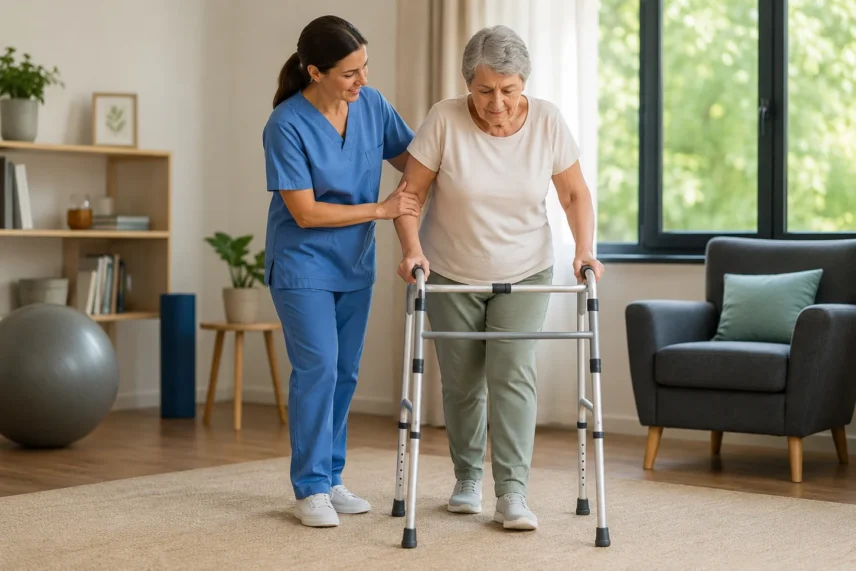
This can include support when walking around the home, supervision during movement for those at higher risk of a fall, and gentle encouragement to stay active safely. For many seniors, having someone nearby isn’t about doing the walking for them; it’s about having a steady presence in case extra help is needed.
2. Mobility Transfers
Transfers are some of the highest-risk movements for older adults, including getting in and out of bed, moving from chairs, transferring to and from the bathroom, and transitioning between different surfaces. Support workers trained in safe transfer techniques can reduce strain on both the older person and the support worker, while lowering the chance of a slip or fall.
3. Mobility Equipment Support
Common aids used by older Australians include walking sticks, walkers, wheelchairs, mobility scooters, grab rails, and bathroom safety equipment. Mobility aids can help people move more independently and reduce pain during movement, but it’s important that any aid is fitted correctly and used as advised by a health professional. The wrong height walking stick or an incorrectly positioned grab rail can do more harm than good, so professional advice should always be sought before purchasing or relying on new equipment.
4. Safe Movement Around the Home
This involves reducing trip hazards, improving accessibility around the house, and creating safer day-to-day routines, such as keeping frequently used items within easy reach and ensuring pathways are well lit and free of clutter.
Why Mobility Becomes More Challenging as We Age
Mobility changes are a normal part of ageing, but understanding the common causes can help families recognise when extra support might be useful.
Loss of Muscle Strength
Natural muscle decline (sometimes called sarcopenia) is a normal part of ageing and can affect balance and the ability to complete daily activities. As muscle mass reduces, many older adults find it harder to stand from a low chair, climb stairs, or carry shopping and other items.
Reduced Balance and Coordination
Changes in balance and coordination can affect walking confidence, increase the risk of a fall, and make outdoor activities, like walking on uneven footpaths, feel riskier than they once did.
Chronic Health Conditions
A number of common health conditions can influence mobility in older age, including arthritis, osteoporosis, stroke recovery, Parkinson’s disease, other neurological conditions, and joint problems. Each of these conditions can affect mobility differently, which is why an individualised approach to support is so important.
Recovery After Hospitalisation or Surgery
Seniors often need additional mobility support after events such as a hip replacement, knee surgery, a fall, or an extended hospital stay. Rehabilitation after illness or injury aims to help a person regain strength and confidence, and the right in-home support can make this recovery period safer and less stressful.
What Is Physical Therapy for Older Adults?
Physical therapy, more commonly known in Australia as physiotherapy, is an allied health service that focuses on improving movement, restoring strength, managing pain, improving balance, and maintaining independence. Physiotherapists are registered healthcare practitioners who assess how the body moves and develop tailored treatment plans based on a person’s specific goals and health conditions.
For older adults, physiotherapy is rarely about intense exercise. It’s typically a measured, individualised process that takes into account existing health conditions, energy levels, and personal goals, whether that’s being able to walk to the mailbox unassisted or simply feeling steadier on their feet.
Benefits of Physical Therapy and Mobility Exercises for Seniors
1. Improves Strength and Stability
Targeted exercises that focus on leg strength, core stability, posture, and endurance can help build the kind of functional strength that supports safer day-to-day movement, rather than strength for its own sake.
2. Helps Prevent Falls
Falls are the leading cause of hospitalised injury among Australians aged 65 and over, and around 1 in 4 people aged 65 and over has at least one fall each year. Balance training, walking confidence, environmental awareness, and targeted strengthening exercises all play a role in fall prevention, which is one of the most important parts of healthy ageing.
3. Supports Independence With Daily Activities
Improved mobility makes everyday tasks like bathing, dressing, cooking, shopping, attending appointments, and joining in social activities easier and safer to manage. For many seniors, this is the real-world benefit of mobility support, being able to keep doing the things that make up a normal day.
4. Supports Recovery and Rehabilitation
Physical therapy can assist recovery after injury, illness, surgery, or extended periods of inactivity, helping the body regain strength and confidence gradually and safely.
5. Improves Confidence and Quality of Life
Beyond the physical benefits, improved mobility often brings a real boost in confidence, less fear of falling, greater confidence leaving the home, and improved participation in hobbies and community activities.
Common Mobility Exercises for Older Adults
The exercises below are general examples only. Specific exercises should always be recommended by a GP, physiotherapist, or other qualified health professional based on an individual’s ability and health needs. CLM Community Support workers can assist with and supervise exercises that have already been prescribed by a treating professional, but they do not prescribe physiotherapy programs or provide clinical treatment themselves.
| Exercise Type | Examples | Key Benefit |
| Chair Exercises | Seated leg raises, ankle movements, seated marches | Accessible for people with limited mobility |
| Balance Exercises | Standing with support, heel-to-toe walking, weight shifting | Improved stability |
| Strength Exercises | Sit-to-stand exercises, light resistance work, supported squats | Improves functional movement |
| Gentle Flexibility Exercises | Stretching, range-of-motion exercises | Supports joint mobility |
Healthdirect’s physical activity guidelines for older adults recommend talking to a doctor before starting a new or different type of exercise program, particularly for those with an existing medical condition or who have been mostly inactive.
How Mobility Support Fits Into Aged Care Services
Mobility support rarely exists in isolation. For most older adults, it works best as part of a broader, coordinated approach to aged care.
Personal Care Support
This includes assistance with daily living tasks such as bathing, dressing, and routine personal care, safe movement during personal care, and maintaining dignity and independence throughout. CLM already provides personal care support, including daily living assistance and help with mobility and transfers, as part of its broader in-home aged care services.
Nursing Support and Health Monitoring
Ongoing monitoring of changes in mobility, management of existing health conditions, and coordination of care plans all benefit from nursing oversight. CLM’s nursing-led approach, guided by Registered Nurse Linda Miller, supports personalised care planning that complements the national Single Assessment System framework, the independent My Aged Care pathway used to determine eligibility and funding for aged care services.
Community Participation Support
Staying mobile helps seniors continue to attend appointments, visit family, and participate in social activities, all of which play an important role in overall wellbeing and quality of life.
Signs an Older Adult May Need Mobility Support
The following checklist can help families recognise early signs that extra support may be worthwhile:
- Avoiding activities due to fear of falling
- Difficulty standing up from chairs
- Struggling with stairs
- Frequent falls or near misses
- Reduced confidence walking outdoors
- Needing help with daily tasks, such as difficulty reaching high shelves or managing housekeeping
- Increased reliance on furniture for support while moving around
If any of these signs sound familiar, it may be worth discussing options with a GP or aged care provider rather than waiting for a fall or other incident to prompt the conversation.
How Families Can Encourage Safe Mobility at Home
Encourage Regular Movement
Short walks, gentle exercises, and consistent daily routines can all help maintain strength and confidence over time.
Create a Safer Home Environment
Practical changes make a real difference, including removing clutter, improving lighting, securing loose rugs, and installing support rails in key areas such as the bathroom and hallway.
Respect Independence
It’s important to provide support without taking over, encourage participation in everyday tasks, and focus on what an older adult can still do, rather than only on their limitations.
Choosing the Right Mobility Support Provider
Look for Person-Centred Care
A good provider should take the time to understand a person’s individual goals, respect their preferences, and tailor support accordingly, rather than applying a generic care plan.
Consider Experience and Qualifications
Look for providers with trained support workers, nursing oversight, and clear communication with healthcare professionals such as GPs and physiotherapists.
Choose Flexible Support Options
Whether someone needs short-term support after a hospital stay or ongoing assistance at home, flexibility matters. In-home care options allow mobility support to be adjusted as a person’s needs change over time.
FAQs
What is mobility support in aged care?
Mobility support is assistance designed to help older adults move safely and comfortably, including help with walking, transfers, equipment use, and creating a safer home environment.
Does physical therapy help elderly people walk better?
Physiotherapy can help improve strength, balance, and coordination, which often supports safer and more confident walking. The specific benefits will depend on the individual’s health conditions and goals, so it’s best discussed with a physiotherapist.
What exercises improve mobility in seniors?
Chair exercises, balance exercises, strength exercises, and gentle flexibility exercises are commonly used to support mobility in older adults, though the right combination depends on individual ability and should be guided by a health professional.
When should an elderly person see a physiotherapist?
It’s worth speaking with a GP or physiotherapist if an older adult is experiencing reduced balance, difficulty walking, recovering from a fall, injury or surgery, or finding it harder to manage daily activities.
Can mobility support help prevent falls?
Yes. Mobility support, including balance and strength exercises and a safer home environment, plays an important role in reducing the risk of falls in older Australians.
Does aged care support include help with walking and transfers?
Yes. Many in-home aged care services, including those provided by CLM Community Support, include assistance with walking and safe transfers as part of personal care support.
Can seniors receive mobility support at home?
Yes. In-home mobility support allows older adults to receive assistance with walking, transfers, and safe movement in the comfort and familiarity of their own home, rather than needing to relocate to residential care.
Staying Active and Independent at Home with CLM Community Support
Mobility doesn’t have to decline simply because of age. With the right combination of professional physiotherapy, practical mobility support, and a safer home environment, many older adults in Bundaberg and the Wide Bay region can continue moving safely, confidently, and independently for longer.
CLM Community Support takes a person-centred, nursing-led approach to helping seniors achieve their mobility goals, working alongside GPs and allied health professionals to deliver coordinated, personalised care. For families wanting to better understand the benefits of ageing at home, or to discuss mobility and personal care support options, getting in touch with the CLM team is a good place to start the conversation.
This article provides general information only and is not a substitute for professional medical advice. Always speak with a GP, physiotherapist, or other qualified health professional before starting a new exercise program or making changes to an existing care plan.